Software for the people who make the thing.
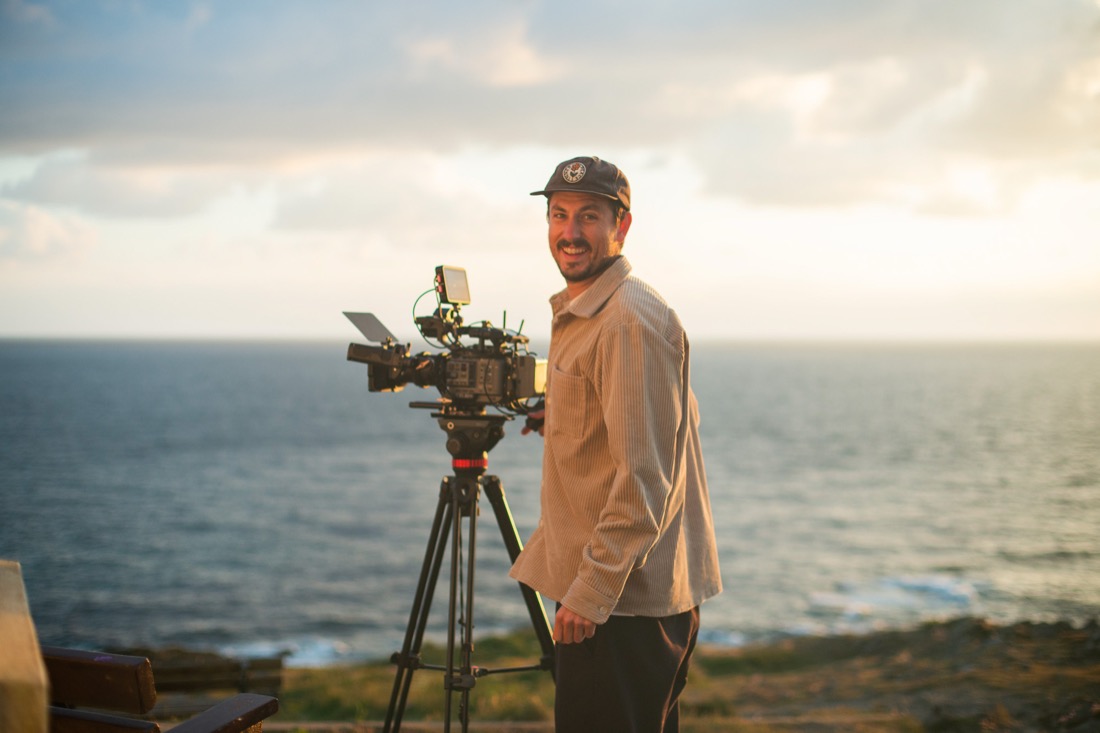
This started on a shoot, not in a boardroom. I run a small film studio in Cornwall. Every production began the same way: references scattered across a downloads folder, storyboards in a tool that felt like accounting software, and client approvals lost somewhere in an email chain called "RE: RE: RE: v3_FINAL".
The approval was never the end of it, either. I kept taking approved storyboards onto set and then rebuilding the same information so we could actually shoot them: the shot list retyped into a spreadsheet, the shooting order in a second document, takes and continuity in a notebook, and an editor at the end of the week asking which one we liked. Nothing there was hard. It was just the same work, done twice, on every job. Storybrdr started as an attempt to remove that handover.
The tools we loved, the edit suites, the cameras, felt like they were built by people who'd been on set. The pre-production tools didn't. So we built the thing we wanted: dark like an edit suite, fast like it respects your time, and beautiful enough to put your name on, because the PDF carries your studio's name, not ours.
It's a small company on purpose. No growth team, no dark patterns, no feature held hostage on a higher tier. Just the work a film actually does, joined up: the first reference or the script, the board, the client's notes and their approval, the shooting order, the day itself, and the record that goes to the edit. One set of shots the whole way through.
BenFounder · Salt & Gorse, Cornwall
If it wouldn't look right in a director's treatment, it doesn't ship.
No accounts, no passwords, no friction for the people paying for the film.
Your work leaves with you. Stop paying and nothing is deleted: every board still opens and you can always take a PDF. Sharing and comments pause until you subscribe again, and then everything, your links included, comes back exactly as it was.