Storyboard examples for different kinds of shoot
Practical storyboard examples for commercials, music videos, shorts and smaller shoots, including sketches, photographic references and mixed boards.
Storyboards do not all need to look the same.
A commercial board going to an agency may need polished frames and clear product moments. A short may only board the scenes where blocking is difficult. A small branded shoot can work perfectly well with location photographs, references and a few rough sketches.
The examples below are useful because they solve different production problems.
Rough sketch board
A rough sketch is often the quickest way to show a composition that does not exist yet.
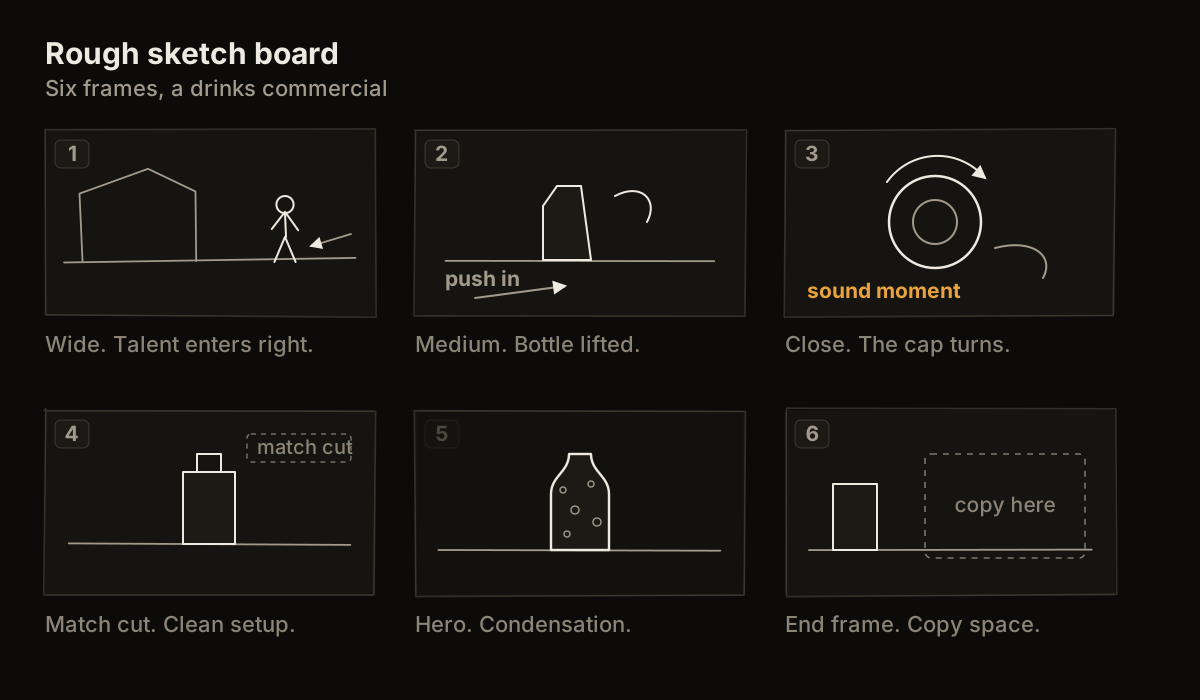
It works well for blocking, camera position, eyelines and simple movement. The drawing only needs enough information for somebody else to understand the shot.
For a director who does not draw particularly well, clarity matters more than finish. Boxes, arrows and basic figures can be enough if the intention is obvious.
Photographic reference board
A photographic board uses existing stills, recce photographs or reference images instead of drawings.
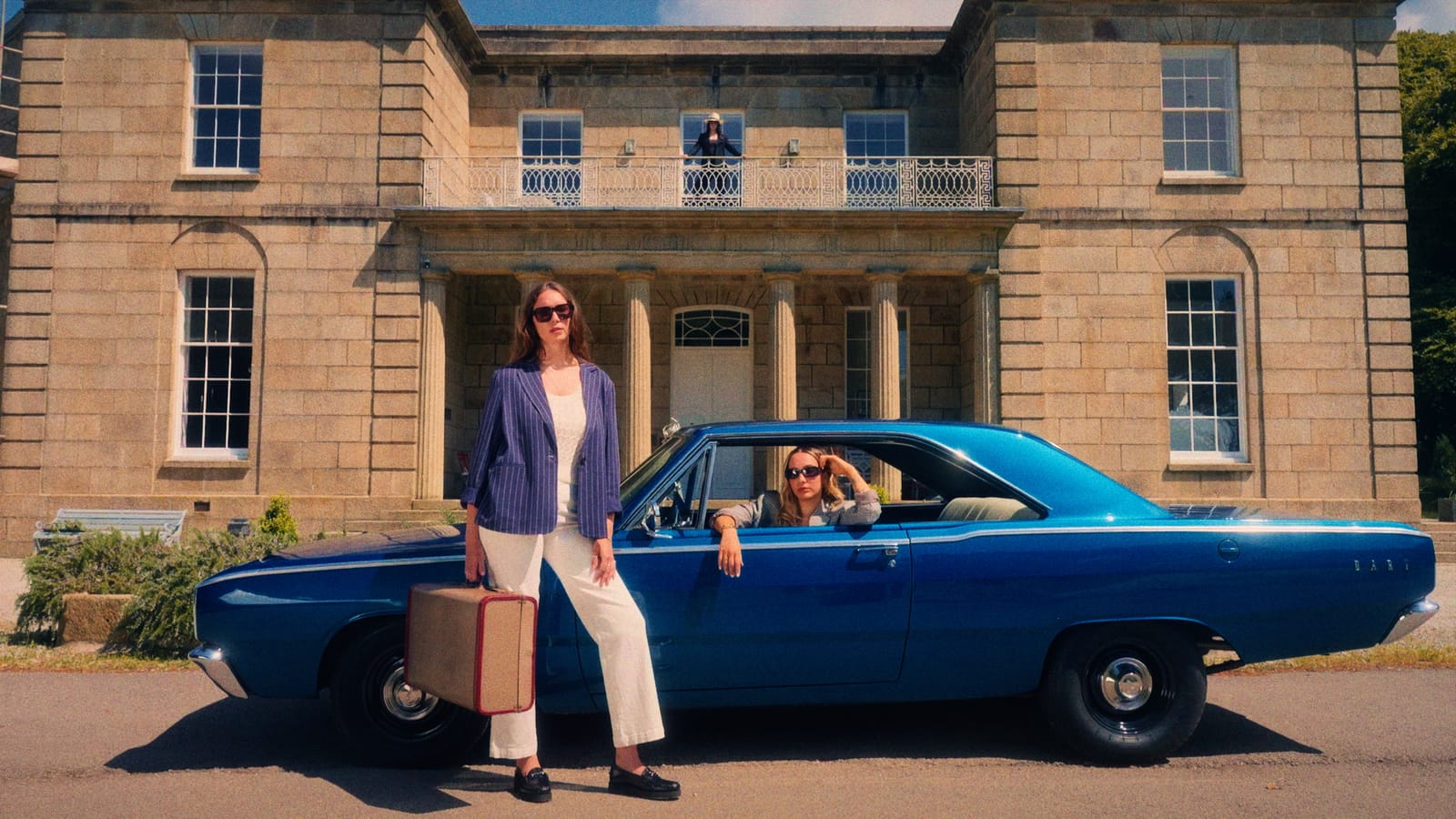 1Wide: the car arrives at the house.
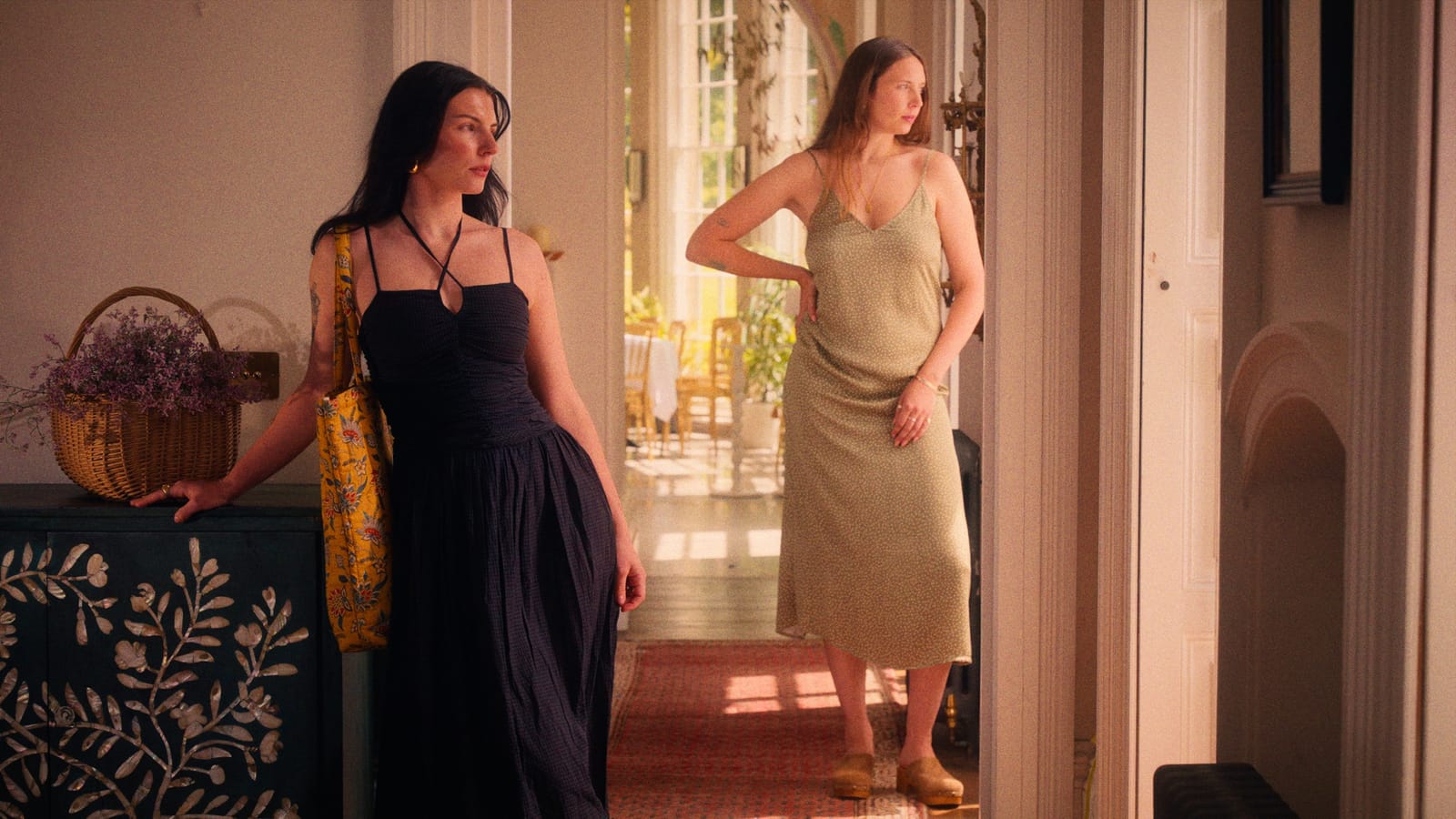 2Two-shot in the doorway, both looking off left.
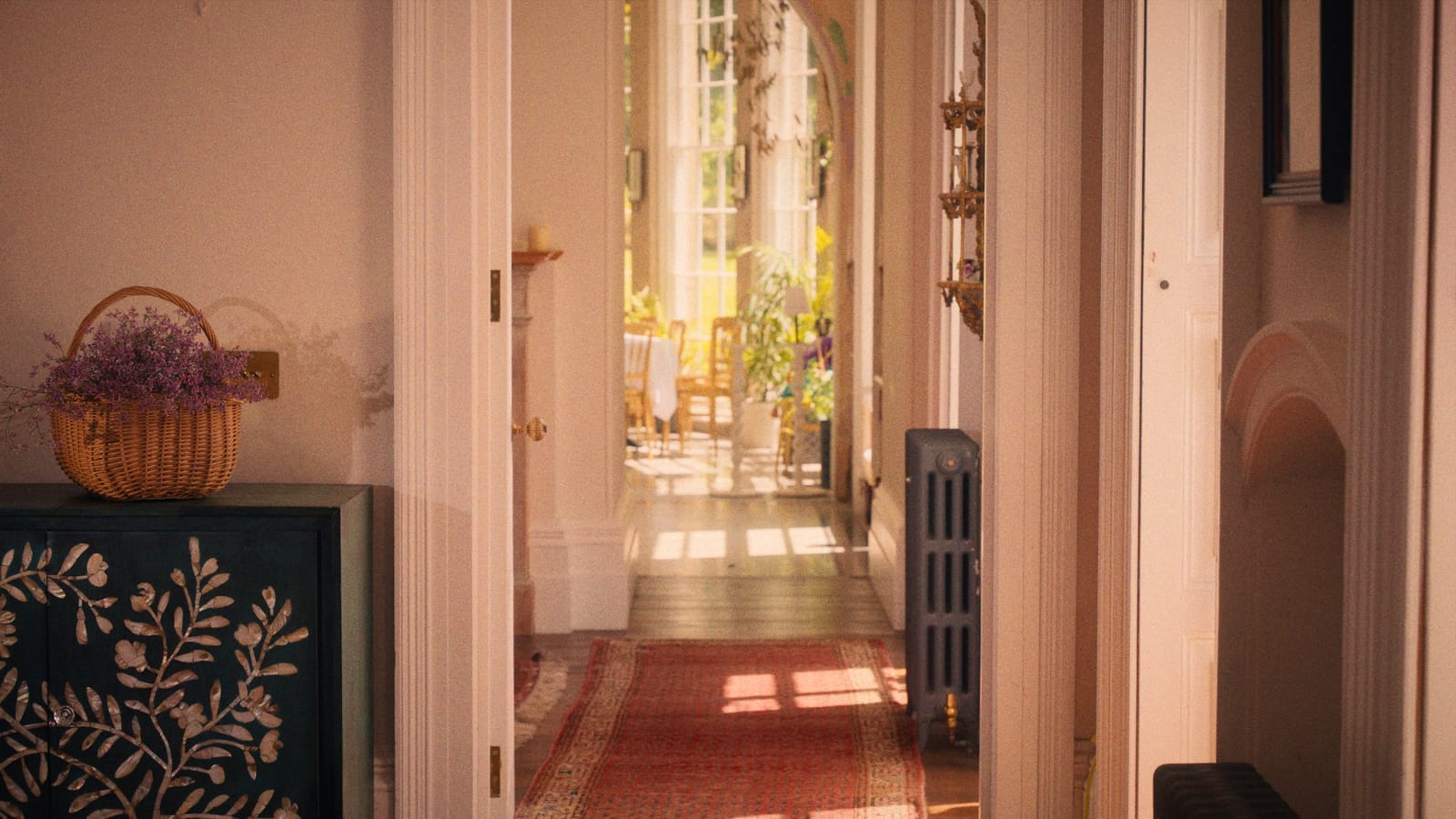 3Empty hallway through to the conservatory.
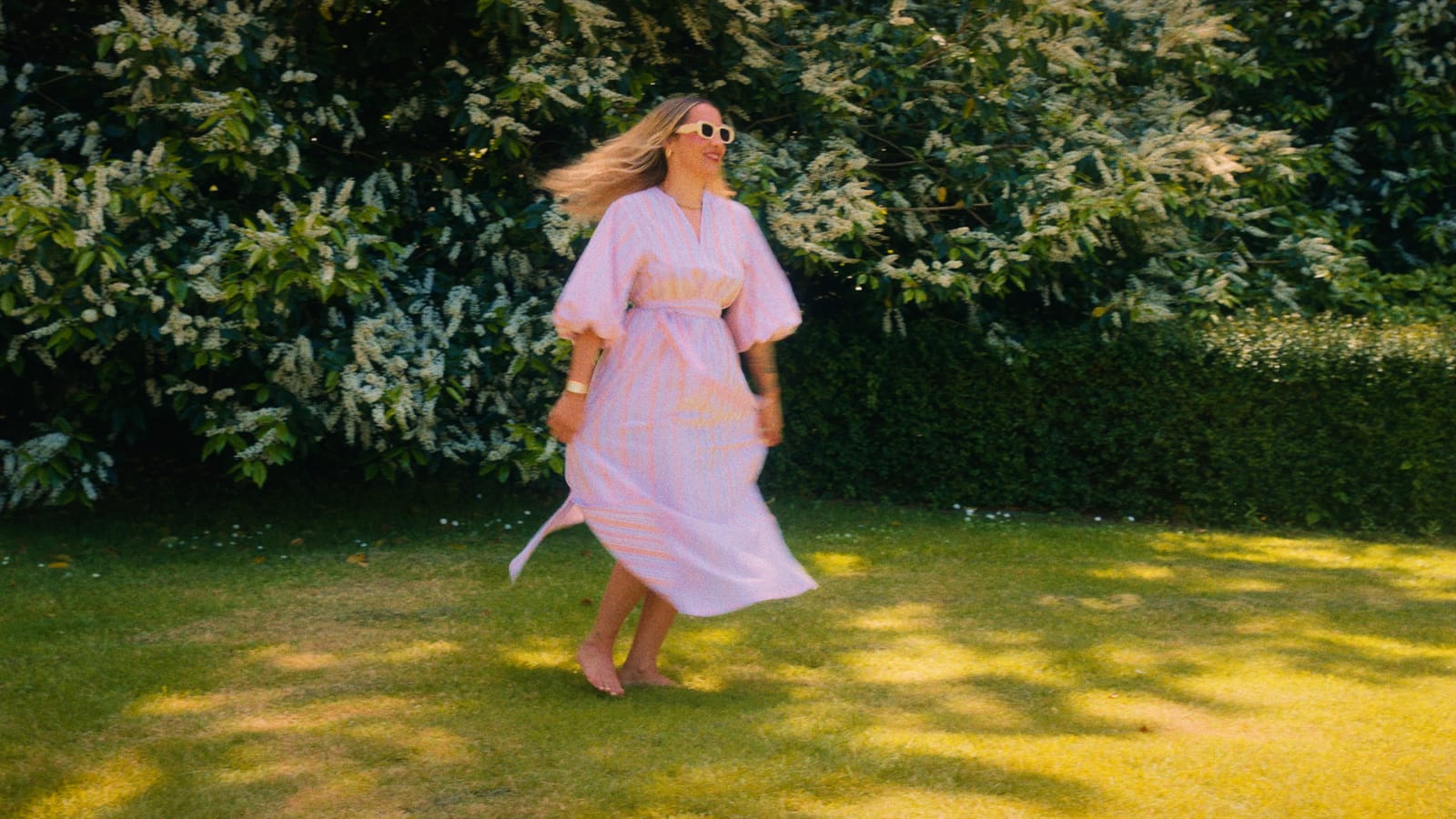 4Running across the lawn, left to right.
 5Framed in the window opening, sea behind.
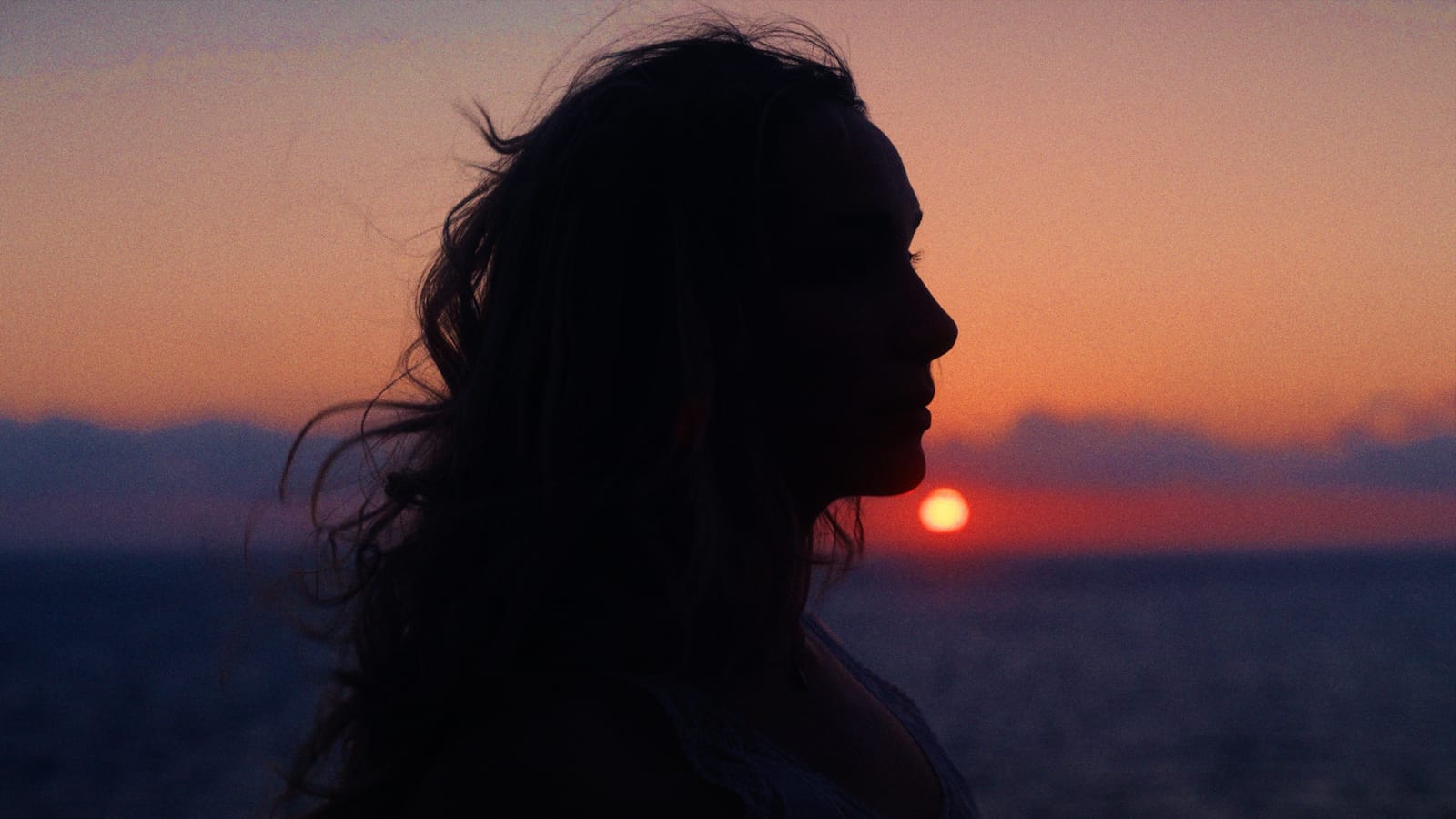 6Profile silhouette against the setting sun.
This is common in commercial and branded work because references are already part of treatments and creative development. They can communicate framing, atmosphere, styling or camera language quickly.
Keep a distinction between reference and promise. A still from another film may explain the intended framing without suggesting the location, light or production value will be identical.
Mixed board
Many productions end up with a mixture.
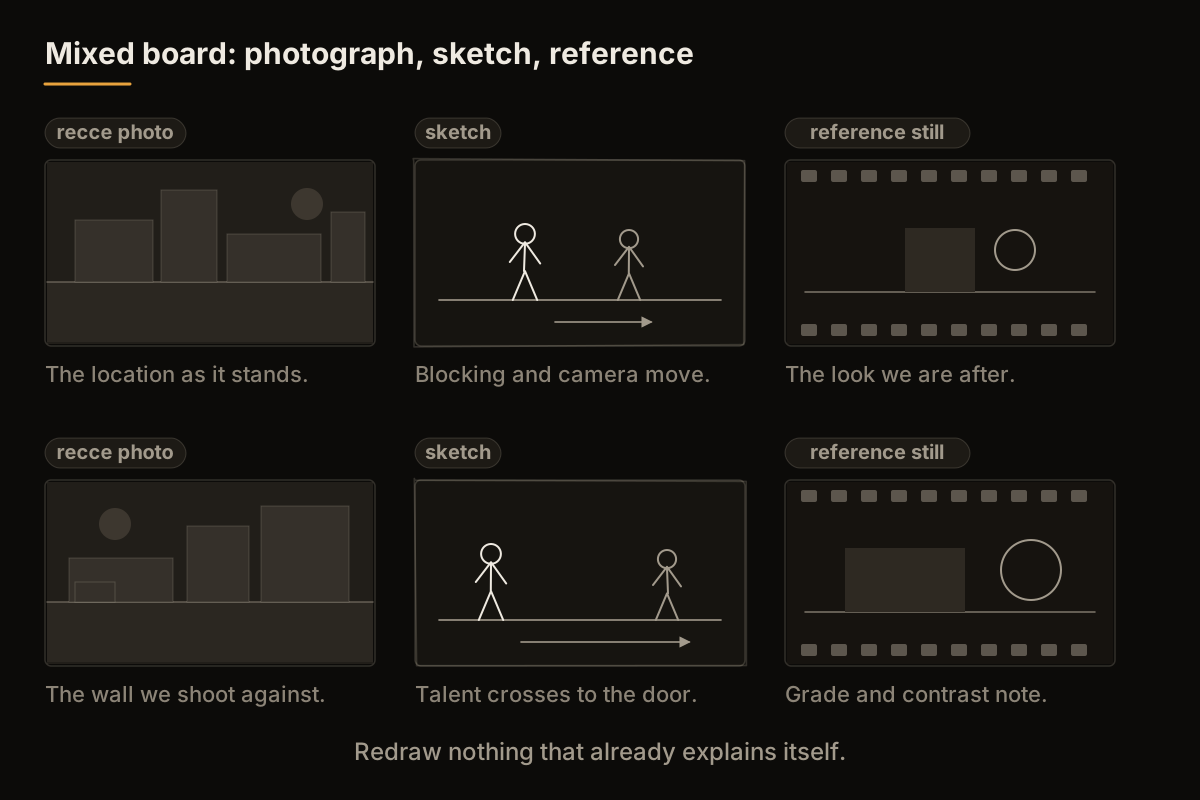
A recce photograph might establish the real location. A sketch can show where the talent needs to move within it. A reference still can explain the intended lens or lighting direction.
There is no benefit in redrawing useful information simply to make every frame match.
Commercial storyboard example
A simple 30-second commercial board might include:
- opening wide that establishes the situation
- closer performance or action
- product interaction
- transition into the hero setup
- product hero
- end frame with room for copy
That is only a starting structure. The useful part is identifying which frames need client agreement and which shots the crew will need to execute the idea.
Commercial boards often benefit from short notes for movement, supers or transitions. Keep them readable enough that the sequence still works at a glance.
Music video storyboard example
A music video board may be less linear.
Start with the images the treatment depends on, then organise performance, narrative or texture around them. Label setups clearly so the board can later help with the shooting order.
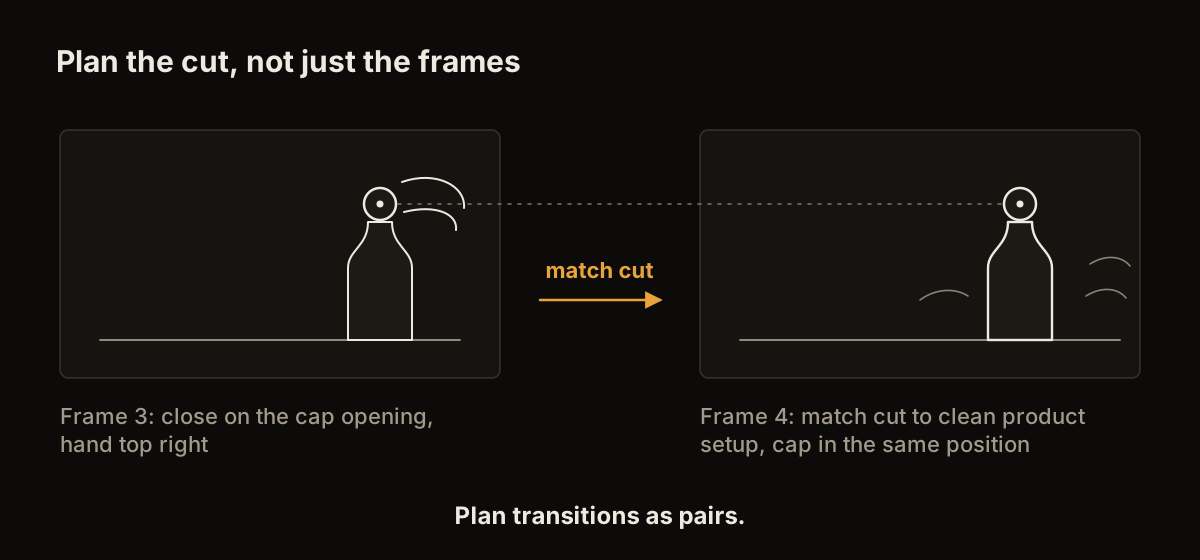
If the edit depends on match cuts, wipes, whip pans or repeated compositions, show the relationship between the frames. A transition can be difficult to explain with one still, so a short note or paired frames may be useful.
Short film storyboard example
A short film rarely needs every line of the script boarded.
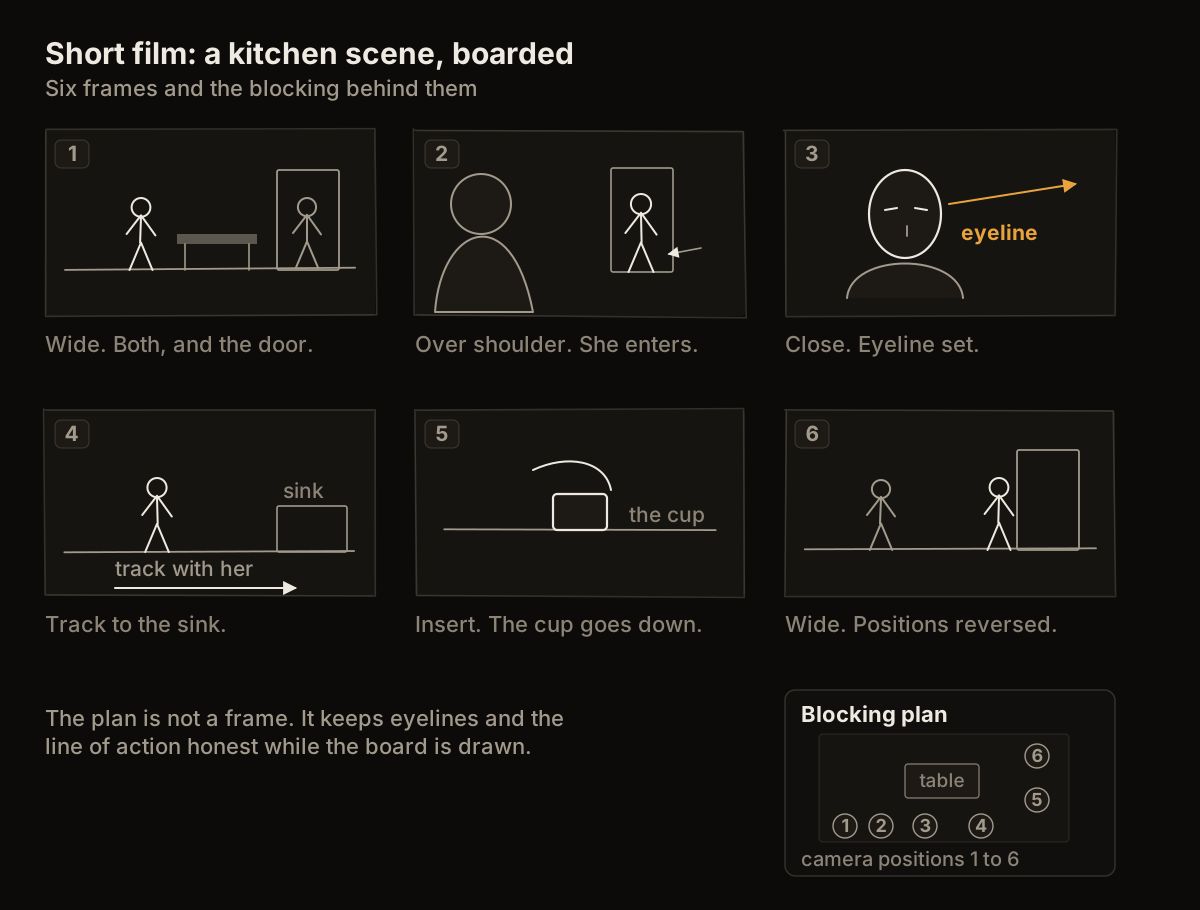
A director might board the opening geography, a complicated move, a scene with precise screen direction and the final image, while leaving conventional dialogue coverage to the shot list.
This keeps the board focused on the parts where previsualisation is actually helping.
Vertical storyboard example
A 9:16 board needs to be composed as a vertical frame from the start.

Faces, products and text areas sit differently. A wide two-shot that works in 16:9 may become cramped or lose context when cropped vertically.
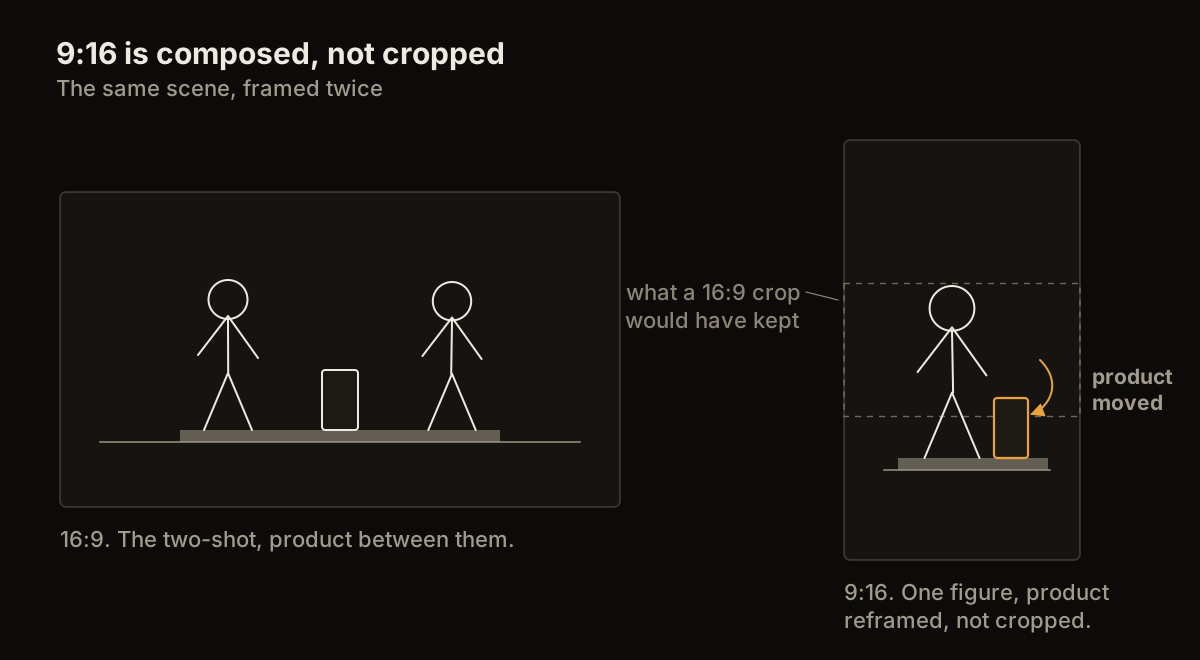
If the production needs landscape and vertical versions, show both where the composition materially changes. Do not assume the editor will solve every format in post.
What makes a useful storyboard?
A useful board makes the intended shots understandable to the people who need to use it.
That may be a client approving a commercial, a DoP discussing coverage or a filmmaker checking tomorrow's shoot on a phone.
Polish is useful when the presentation needs it. Production clarity is useful every time.